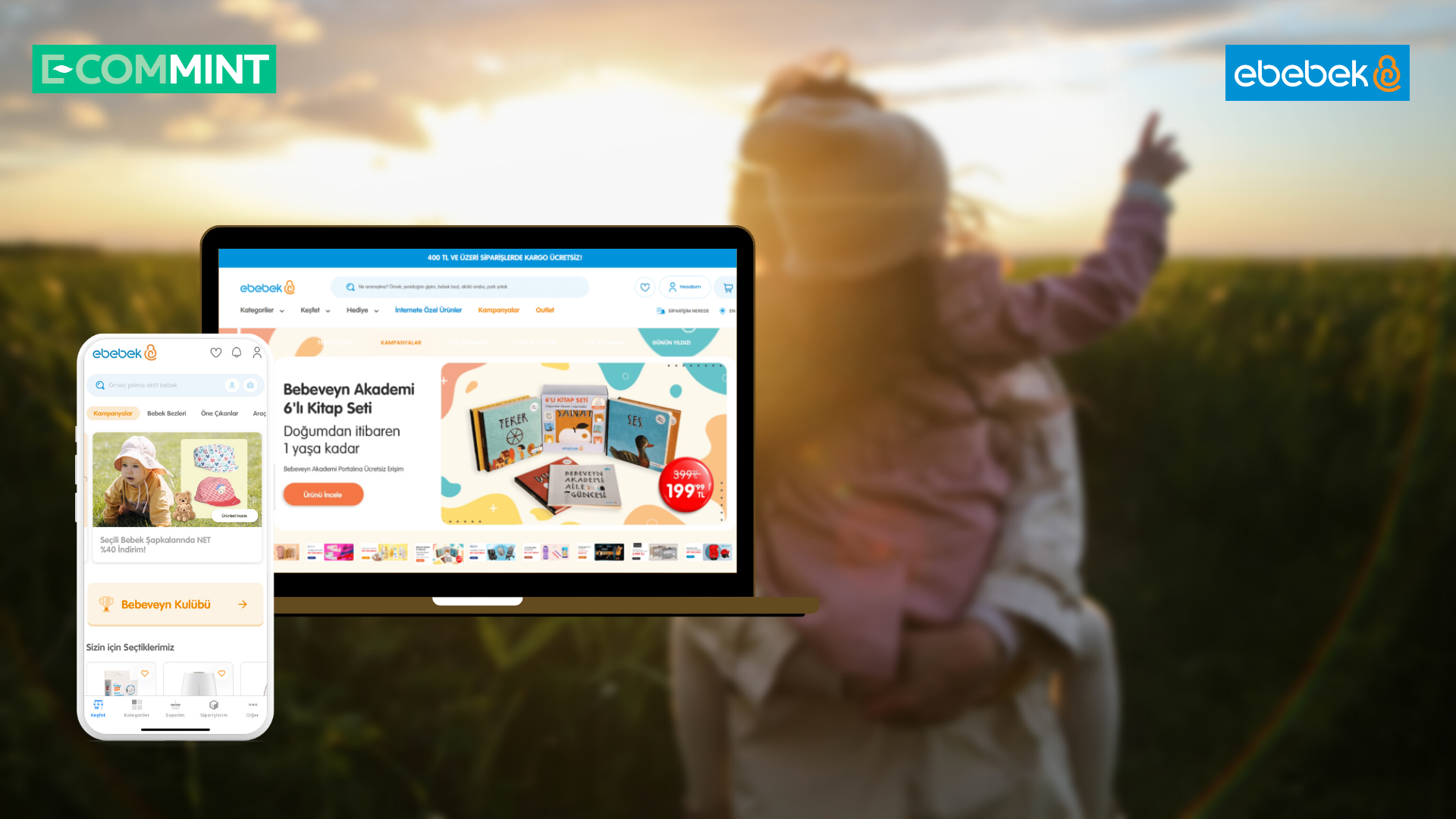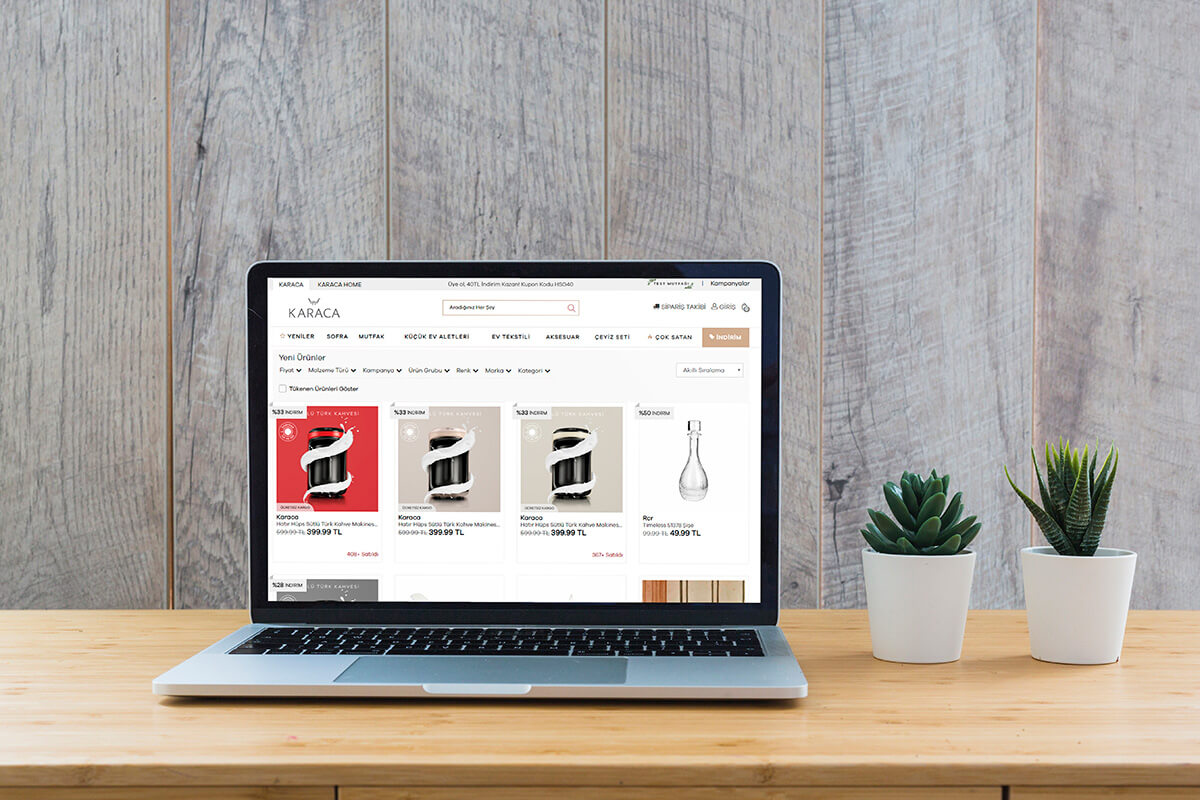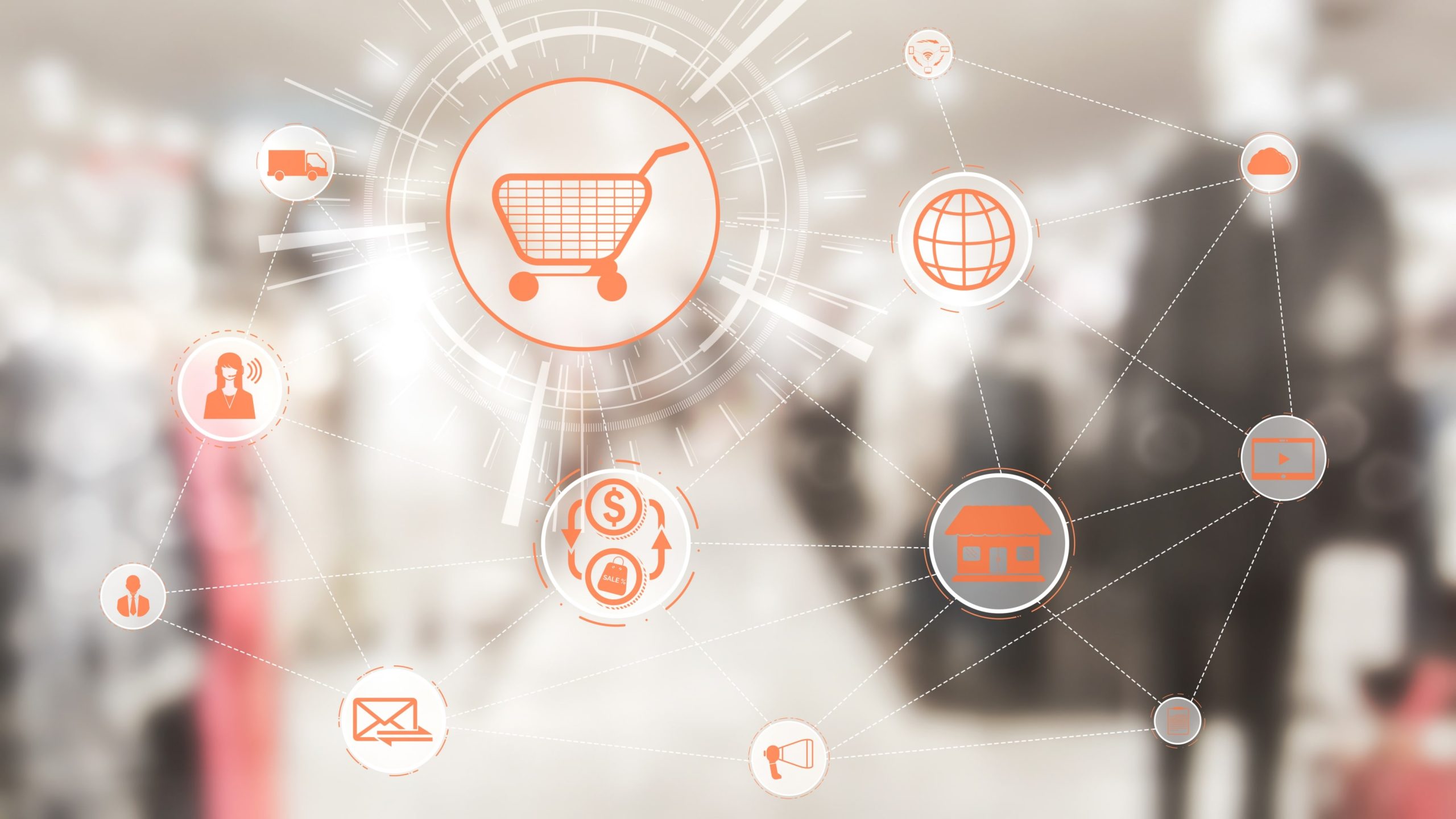
An omnichannel strategy is an integrated form of multichannel commerce that synchronizes data across channels. It integrates a store’s physical operations with its online channels. It is part of a broader commerce and marketing strategy that connects various touchpoints between customers and a brand, enabling the transfer of information across these touchpoints.
An omnichannel strategy focuses on how multiple channels interact with each other and with the customer. A successful omnichannel setup keeps customer and product data synchronized across channels. The ultimate goal is to maximize the customer experience, ensuring that every interaction with a brand across different channels feels like part of a seamless journey.
Omnichannel strategy is sometimes referred to as “seamless commerce” or “unified commerce.”
For a brand, a complete omnichannel marketing strategy involves two-way integration between online channels and physical locations, as well as transitions between online channels. For example, a physical store should be able to share relevant and accurate data, such as available inventory, with an online channel. Similarly, an online channel must transfer important data, such as when a customer places an order for pickup, to the corresponding physical location.
Ideally, a customer should be able to move from product discovery to purchase through any channel, whether a physical store, an online store, or even social media. Every customer action should also create additional opportunities for marketing and increased brand engagement.
There are multiple ways to deliver an omnichannel experience, and the methods used often differ for each company depending on the nature of the business and its customers. Businesses have the opportunity to think creatively and offer experiences that customers cannot get from a single, disconnected channel. By leveraging the strengths of various channels, new and improved options for customer engagement become available.
While “omni” means “all,” an omnichannel strategy doesn’t necessarily mean being everywhere. Instead, it means focusing on the customer and being present wherever they interact with your brand—whether through physical locations, desktops, or mobile devices.
Technology is often a limiting factor in executing an effective omnichannel strategy. Building proper integrations, collecting and maintaining accurate data, and developing strategies around this data require significant time and resources. However, today there are more solutions than ever to provide customers with a seamless commerce experience, and businesses can access these solutions through careful research.
How Does Omnichannel E-Commerce Work?
An omnichannel strategy encompasses numerous strategies and features. Generally, an omnichannel approach relies on data collected and transmitted across various channels to ensure that customers’ experiences with a brand feel unified, no matter where or when they interact with it. Sometimes, integration between channels allows customers to continue their journeys as if the brand “remembers” them.
While omnichannel strategies have the potential to provide a memorable experience, a poorly executed solution can leave a negative impression on customers. According to Microsoft, 58% of consumers said they stopped doing business with a brand due to a poor customer service experience. To improve customer retention, every step in the customer journey must consistently be a positive one.
Key Steps for Omnichannel Retail:
- Identify customer touchpoints and opportunities for better engagement with the brand.
Adopting a customer-focused perspective for your brand helps identify opportunities to offer a more convenient or personalized experience. The point of purchase is just one touchpoint in the customer journey. Brands can create positive and lasting impressions before and after the sale, increasing brand loyalty. It’s also possible to guide customers toward better options or behaviors by adding more touchpoints to their journey.
- Build a strategy around the customer experience.
Determine which processes need to be implemented to deliver a high-quality experience. Where are the potential pitfalls and challenges in the system? What is the brand’s goal for each touchpoint along the customer journey? How many touchpoints can be dedicated to new or repeat interactions with customers?
- Connect systems and people to transfer data.
Good data holds everything together and often requires the right technology stack to maintain high-quality data across platforms. For example, as values change, a retailer looking to use local inventory ads to show where products are available for pickup must accurately track in-store inventory, feed inventory values into a “product feed” for the ad channel, and keep the inventory updated.
- Execute the strategy.
This can be a multi-step process depending on the goal and the part of the customer journey being targeted. For example, an in-store purchase may offer an opportunity to enroll the customer in a loyalty program or create an account to receive additional promotions. In an omnichannel approach, a customer profile can be accessed in-store, on mobile, and desktop devices, while customer service representatives on social media channels can assist with account issues.
- Collect and measure additional data.
In a fully unified omnichannel setup, every customer action triggers an additional action from the brand. Data collection enables brands to determine where customers are in their journey, measure engagement, and decide on the next action to nurture the relationship.
As networks like Google and tech companies like Apple respond to consumer privacy concerns, the ways customer data is tracked are also evolving. The decline of third-party cookies makes first-party data even more valuable. First-party data is typically collected when users voluntarily provide additional information about themselves.
Convincing potential customers to share more information requires some creativity. However, customers who do share this information are already interested in deepening their relationship with your brand. Compared to consumers who are unlikely to engage further, these customers are more valuable in the long term.
For more detailed information about omnichannel strategies, visit our blogs:
Differences Between Omnichannel and Multichannel
10 Tips for Building a Multichannel Strategy
What Are the Benefits of a Multichannel Strategy?
Explore SAP Commerce Cloud, our solution to unify your digital and physical commerce channels and enable omnichannel strategies for your business. Contact us and provide your customers with a seamless experience across all touchpoints!